I was in Buenos Aires for work, so I really didn’t have a lot of time to sightsee. On my free day before the meetup, I went looking for Black history. On my last day, a free day after the meetup, a friend and I decided to take the ferry to Uruguay to visit Colonia del Sacramento.
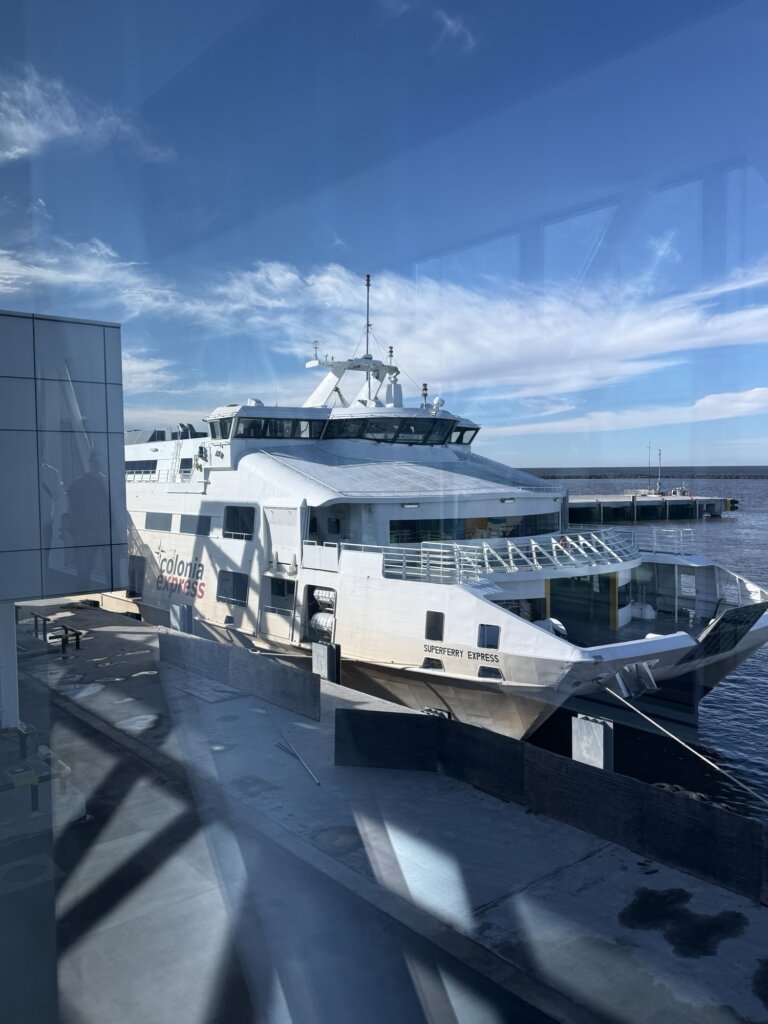
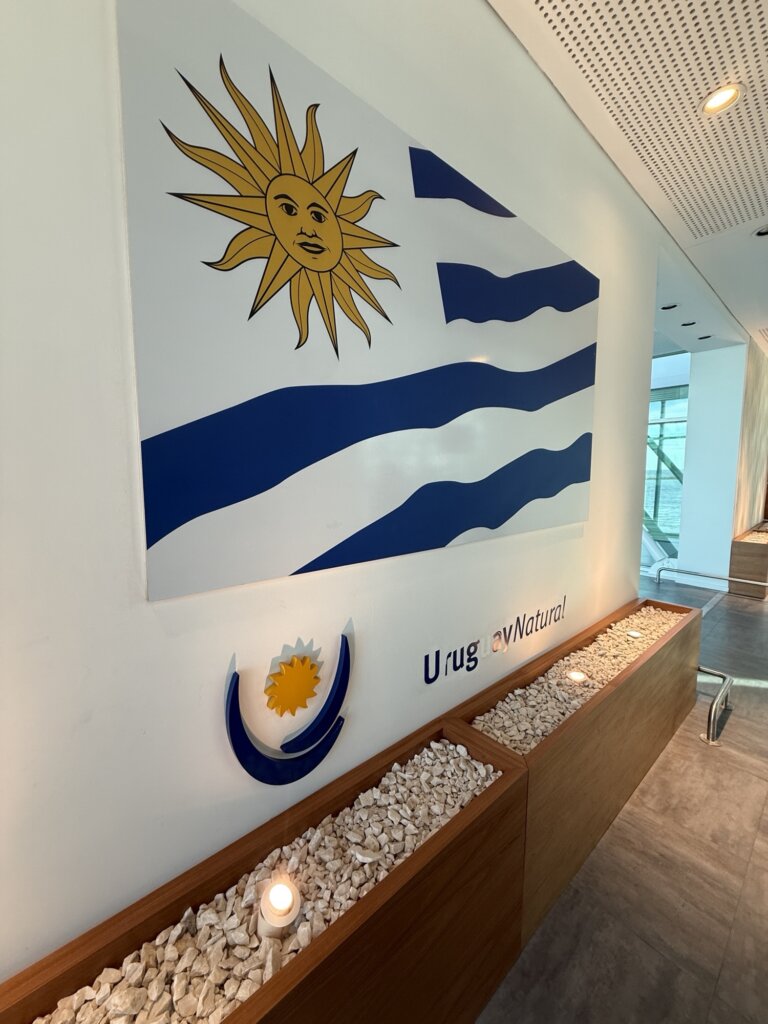
Our ferry package included a walking tour with a guide. She told us a little about the history of the place as we walked around with three other people who were travelling together.
Colonia is very cute. We only had a few hours, but we walked around the historic quarter, looked for interesting magnets and had lunch overlooking the water.
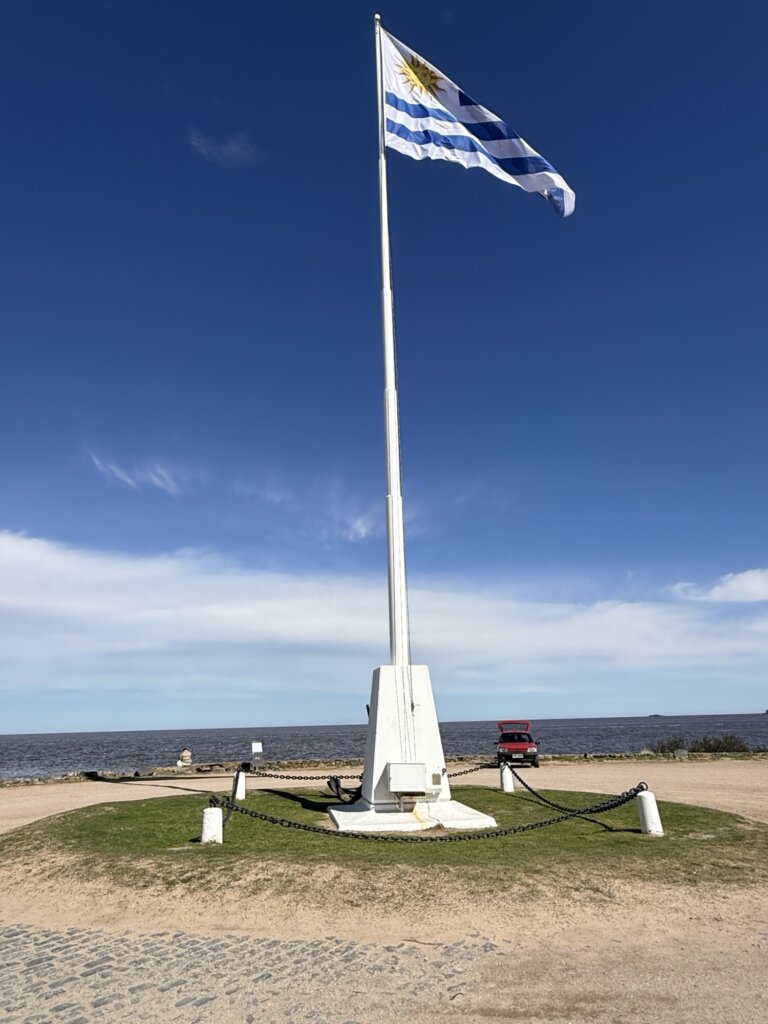
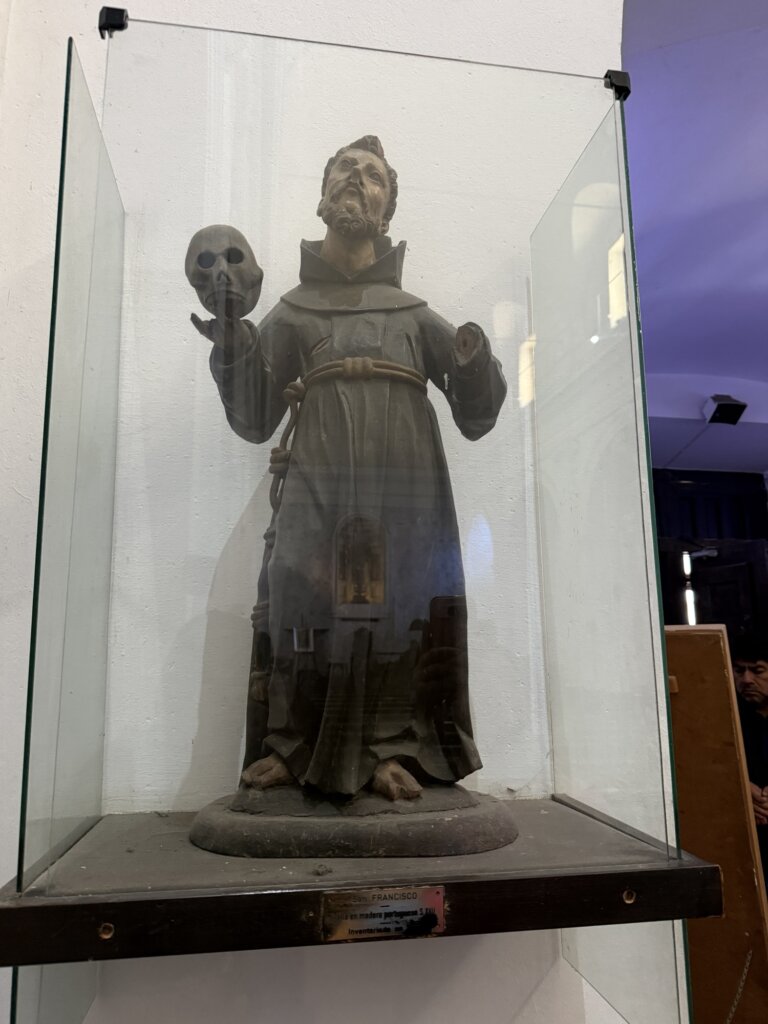
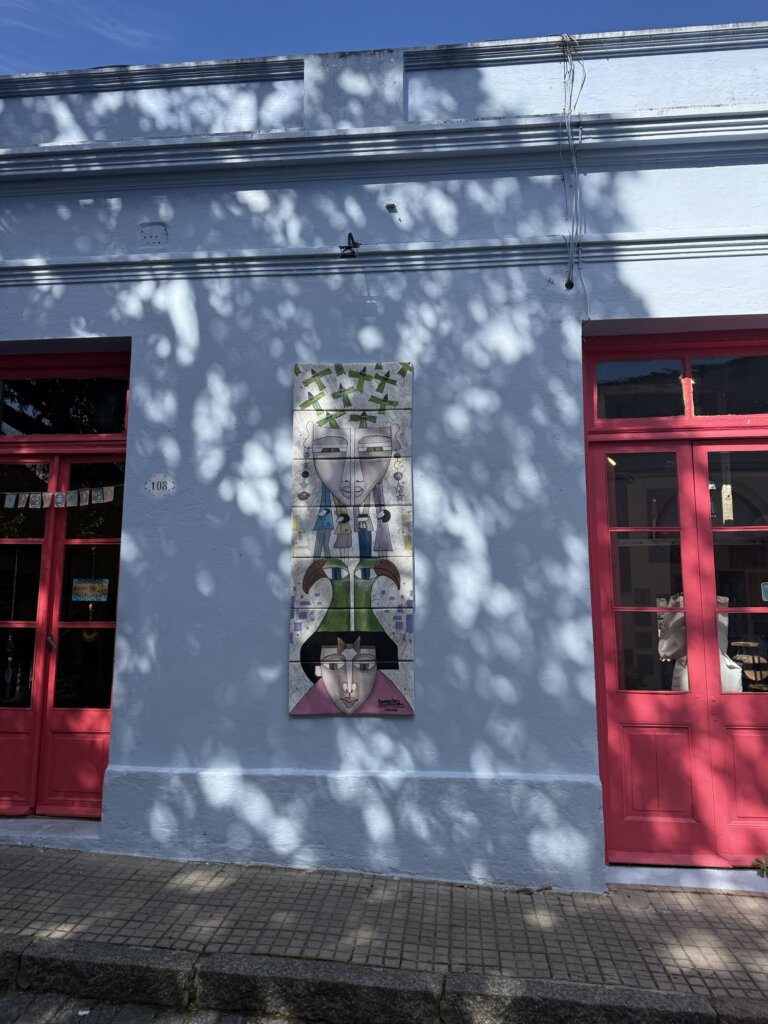
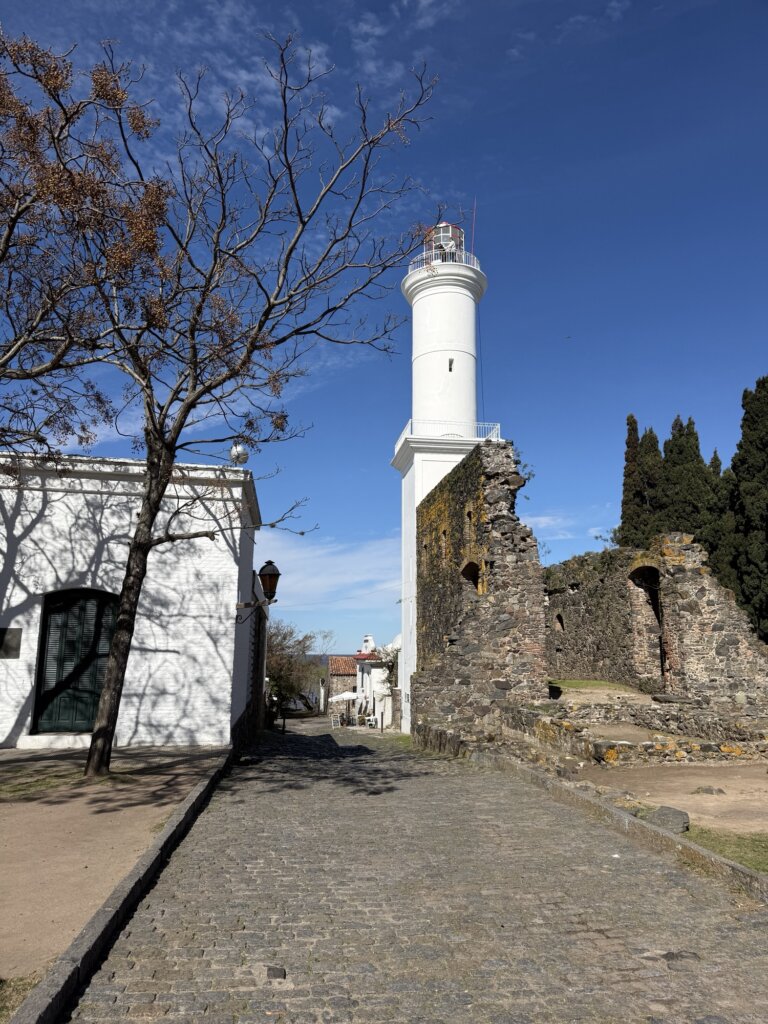
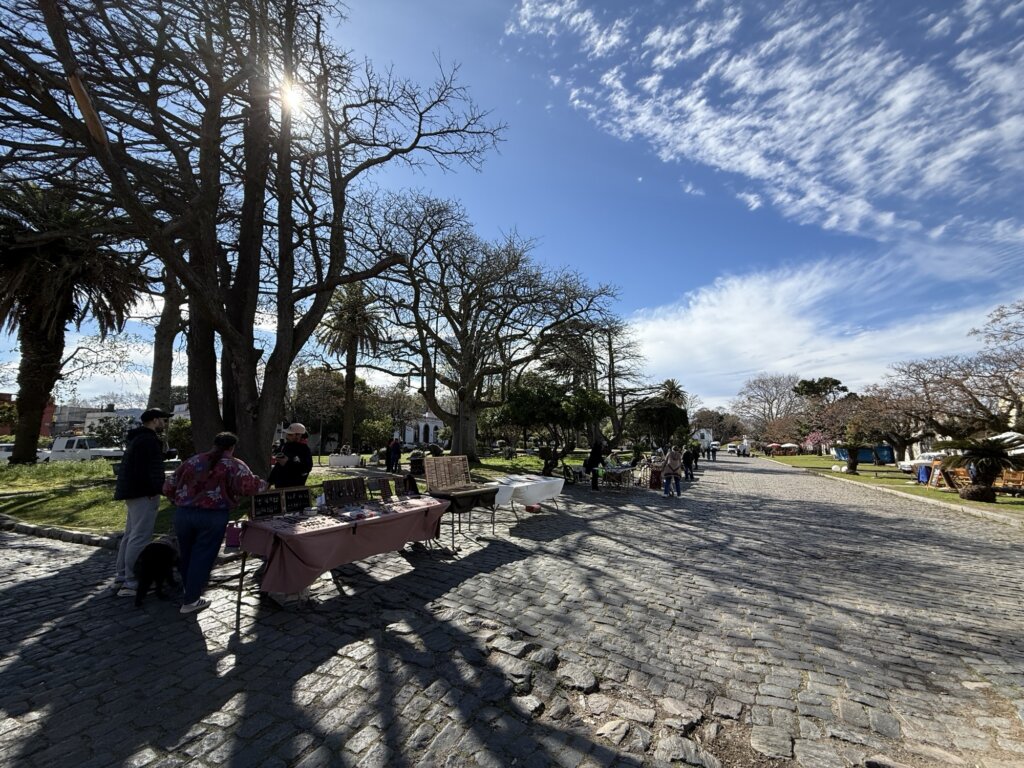
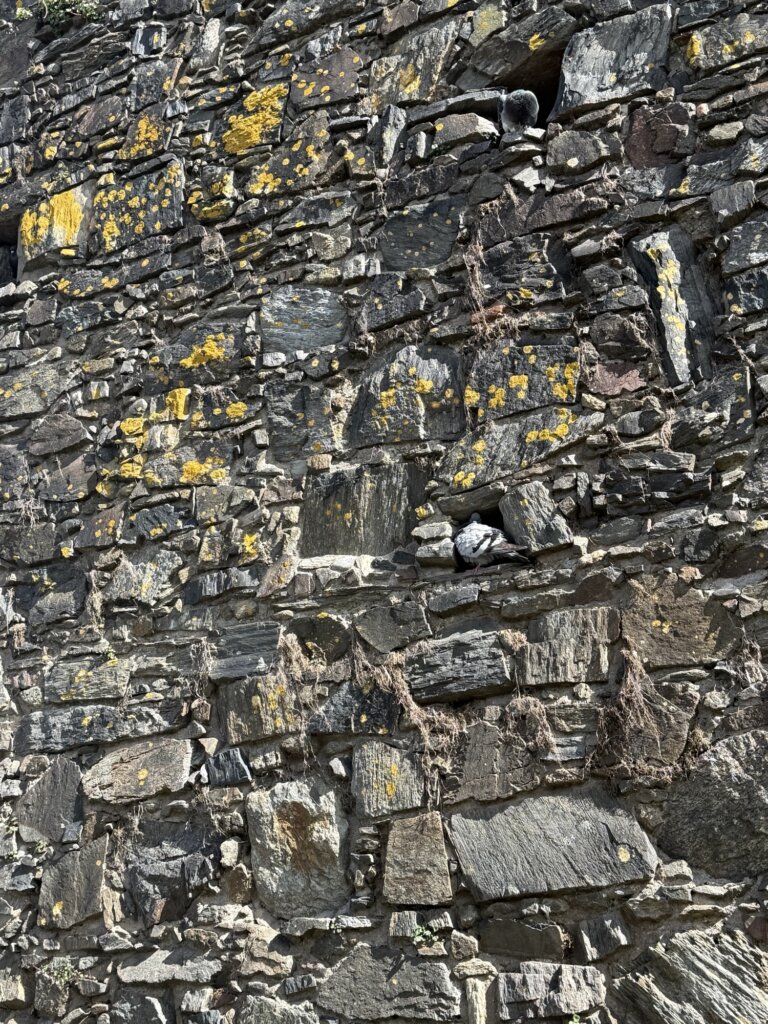
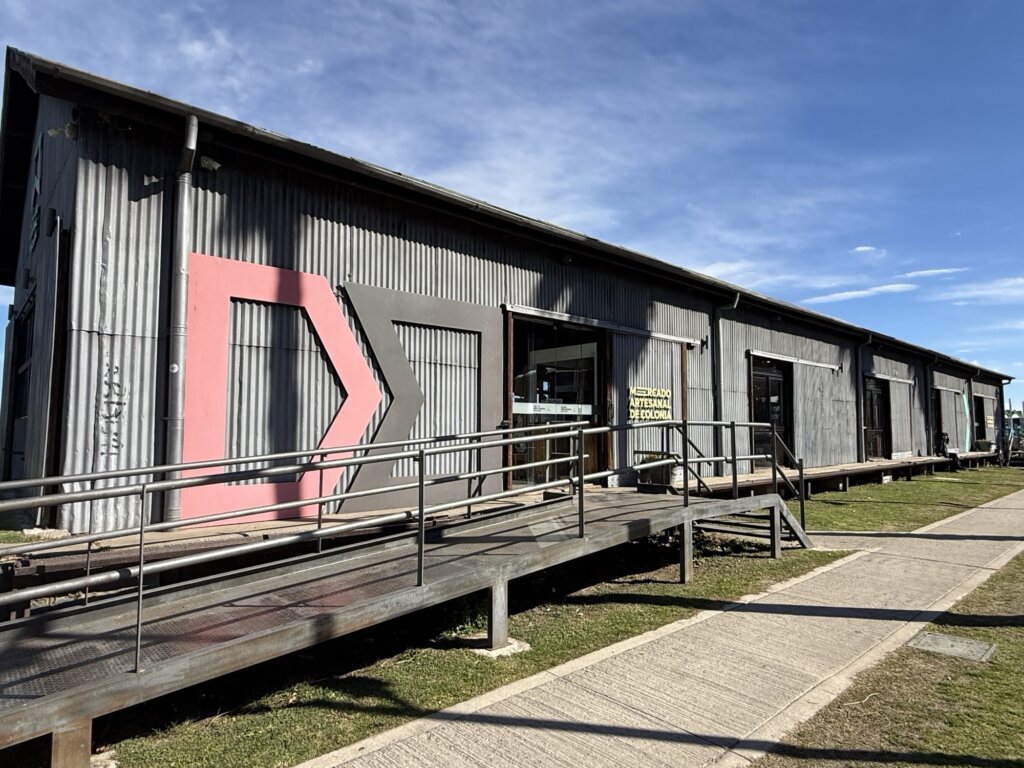
The historic quarter is a UNESCO World Heritage Site. The Portuguese founded Colonia in 1680, across the Río de la Plata from Spanish Buenos Aires. The two powers fought over it for more than a century, and the streets and buildings still show a mix of Portuguese and Spanish influences.
There’s another part of the history that interested me. Colonia was a trading port, and that trade included enslaved people. Researchers working with the town’s records have traced the lives of enslaved and free people of African descent who lived and worked there. I had spent my first free day in Buenos Aires looking for Black history, so this was another reminder of how much there is to learn on both sides of the river.
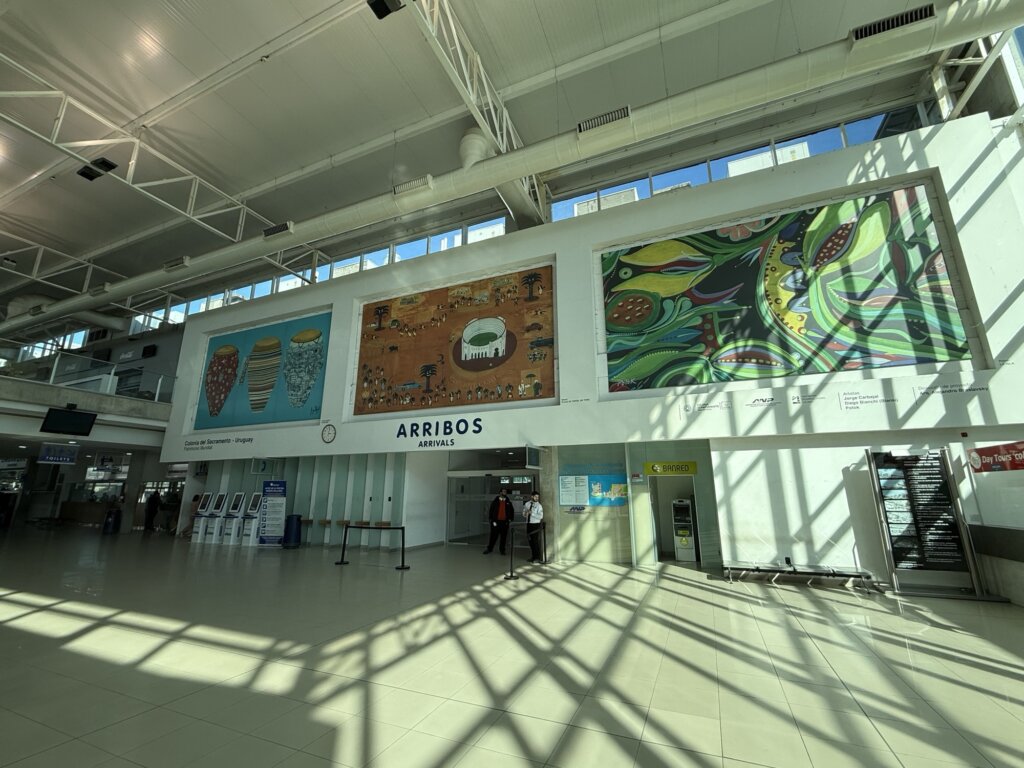
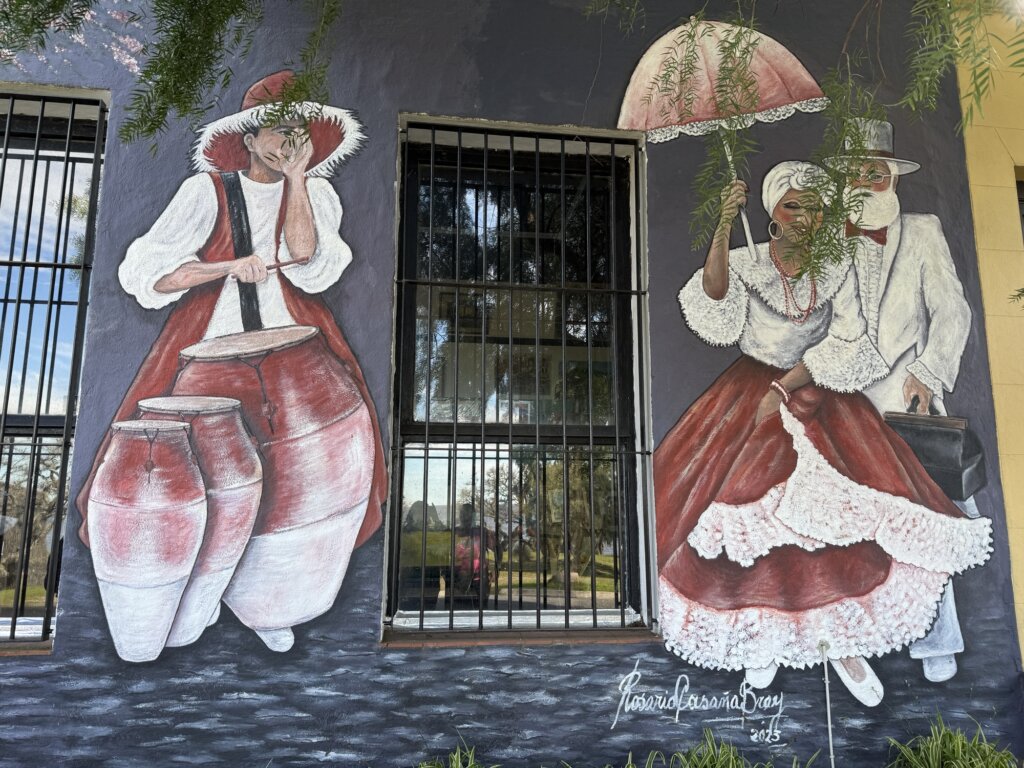
Our guide mentioned candombe in connection with people who had been enslaved. It is an Afro-Uruguayan music and dance tradition passed down within families of African descent. The drums shown in the mural above are tamboriles, the key instrument in candombe.
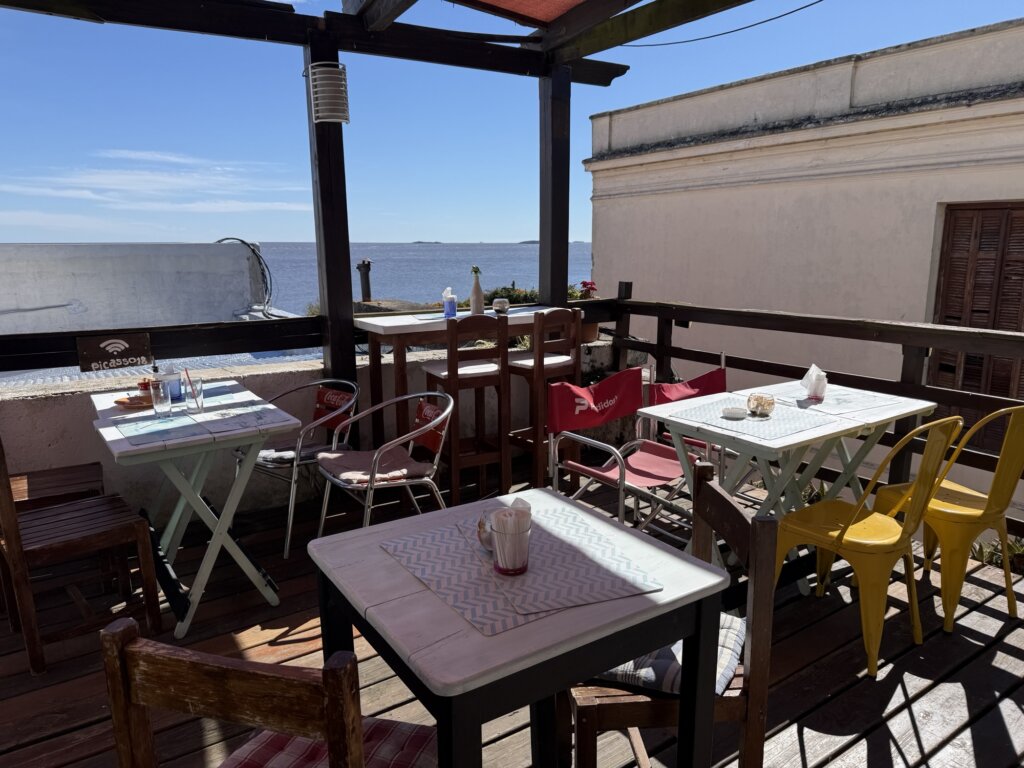
After the tour, we checked out a few restaurants, and I thought the prices were a bit expensive. Maybe that’s because Colonia is such a touristy place. We were just about to buy food at the grocery store when I noticed a more reasonably priced restaurant. The restaurant had a rooftop terrace with views to the water.
When we got back to Buenos Aires, the plan was to see tango. But we’d left the hotel just after six that morning, and the show we’d considered cost over $100 and was at 10pm! I asked my friend, “On a scale of 0 to 10, how badly do you want to go?” Her answer was six. That didn’t justify the price or staying up until 10 p.m. for me.
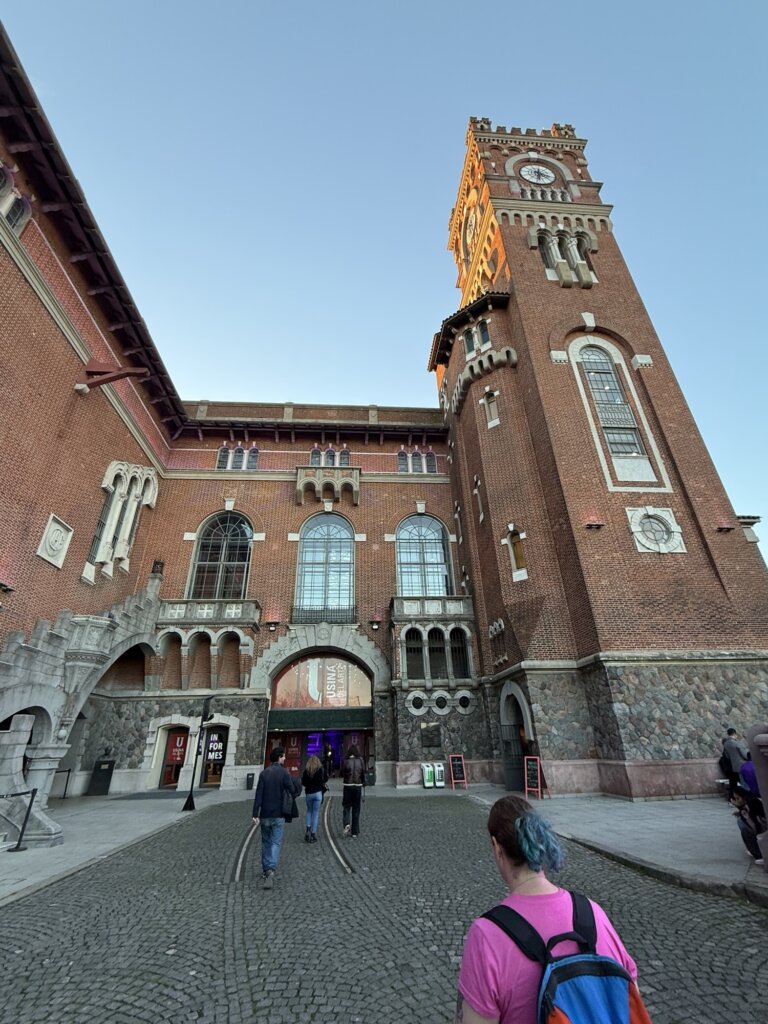
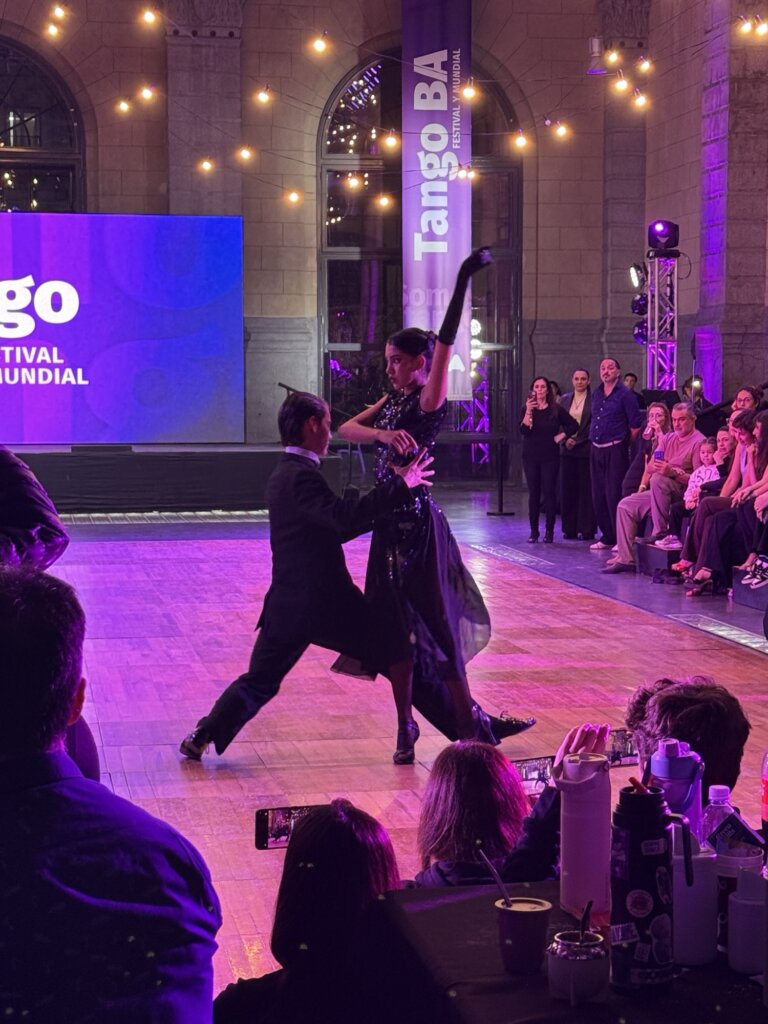
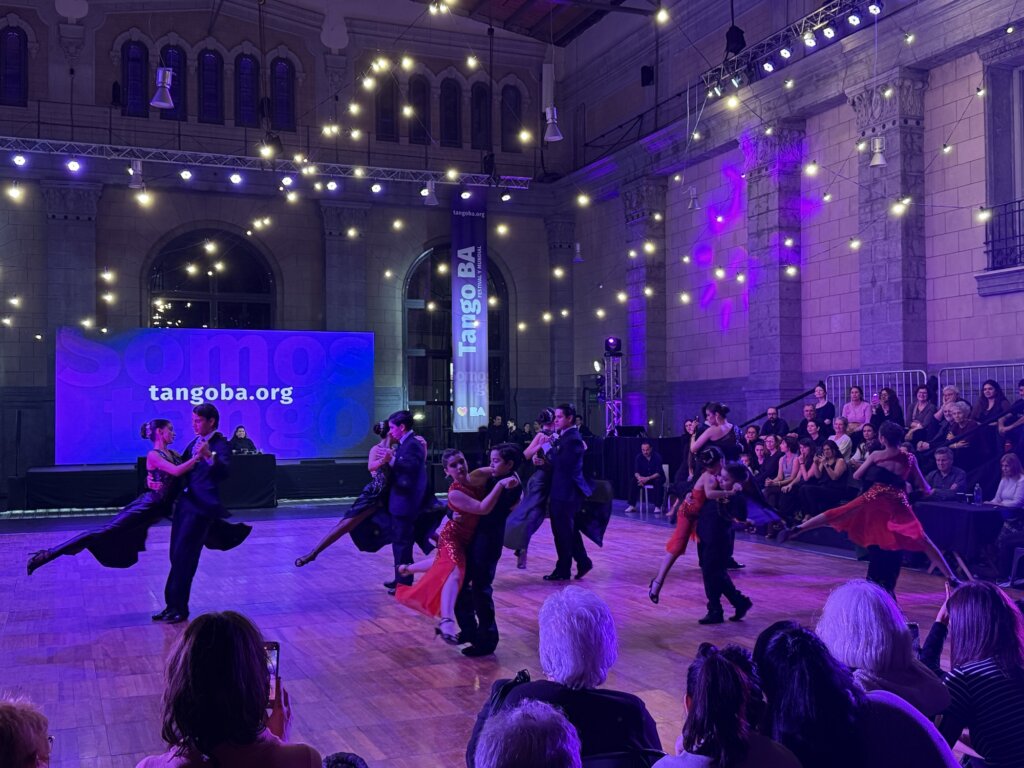
I still wanted to see tango, though. I knew there was a tango festival on in Buenos Aires, and one of its venues was about a 15-minute walk from where we got off the ferry. We headed straight to Usina del Arte.
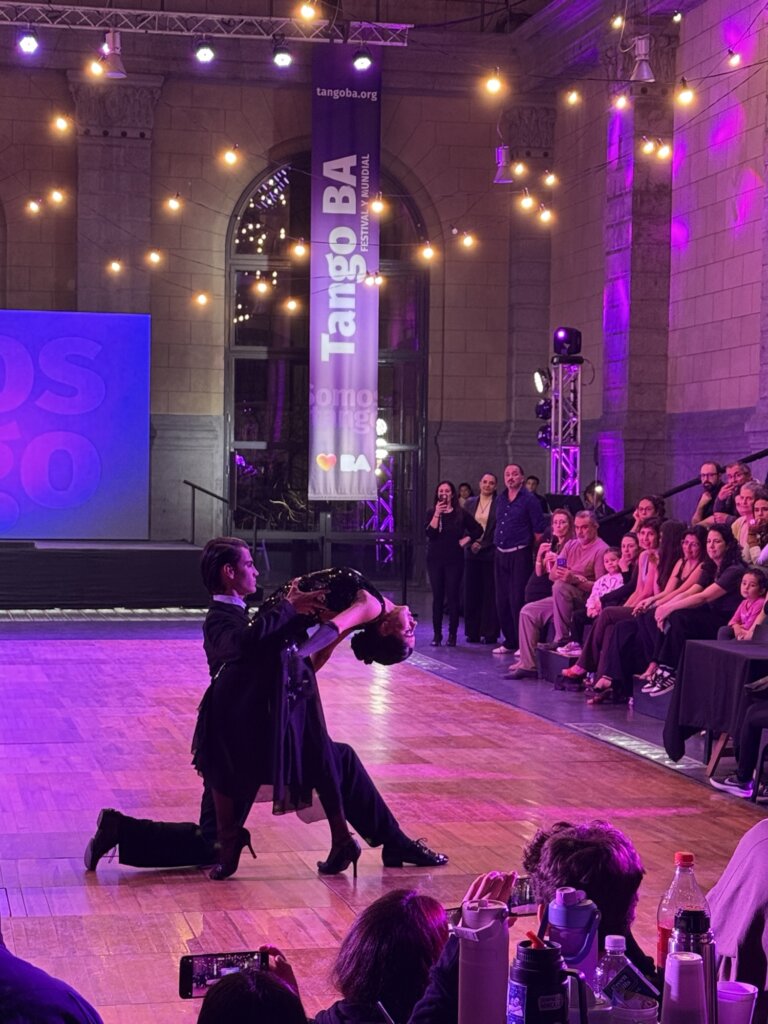
We found the right room and even managed to get seats. At first, I was a bit disappointed. It was everyday people dancing, and there was none of the spectacle you see on TV. Then we found out that a dance school would put on a show in about an hour. Even though we were tired, we decided to wait.
The wait was worth it. The dancing was sexy and fun. There were people of different ages, and there was drama and flair. I loved it. I was so happy we stayed. The show lasted maybe 30 to 45 minutes, and after that we were ready for the hotel. Our feet hurt and we were tired.
Something I learned afterwards is that tango belongs to both Argentina and Uruguay. It developed among the urban working classes of Buenos Aires and Montevideo. We had crossed the river for the day and returned to end it with music shared by both places.
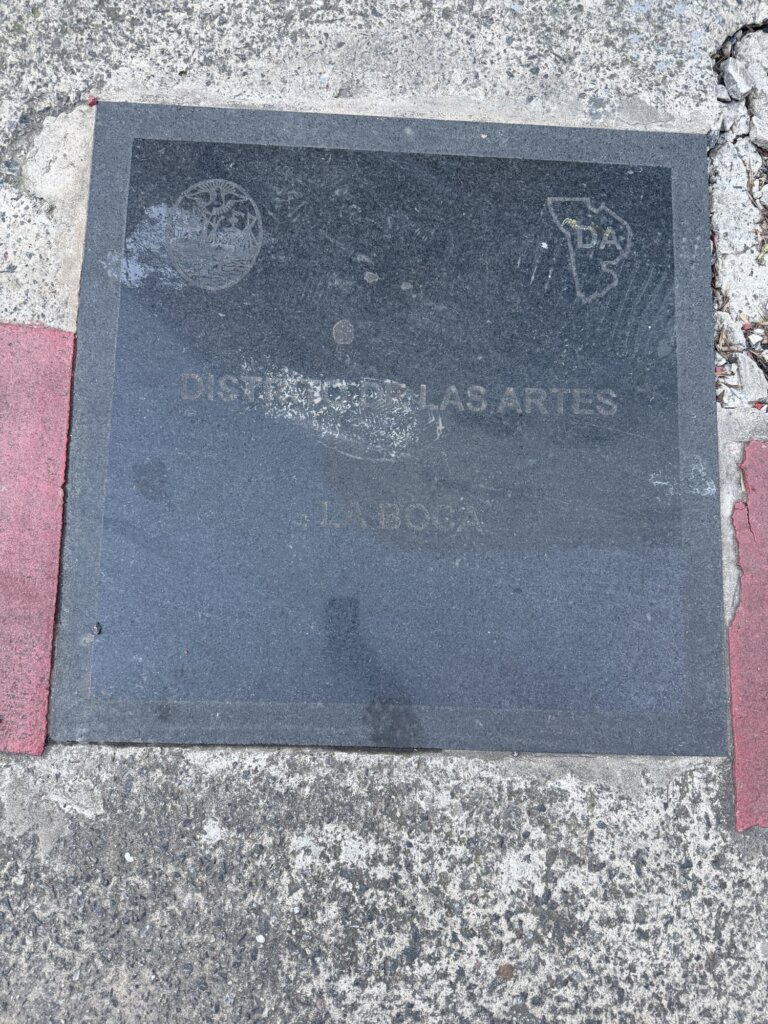
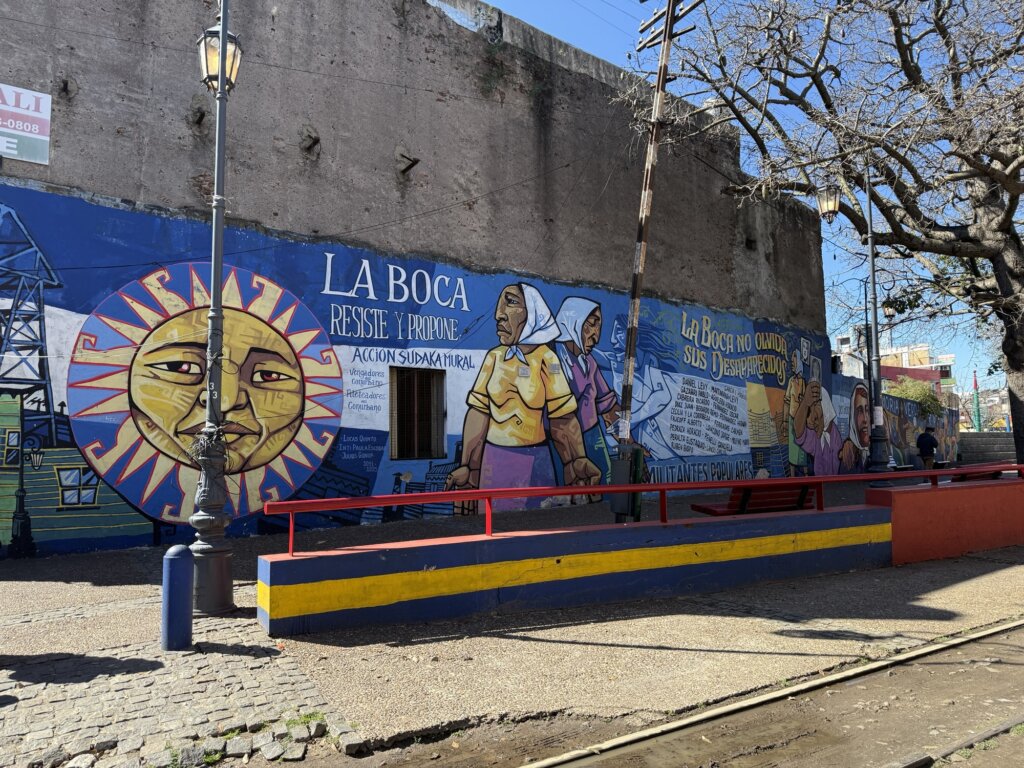
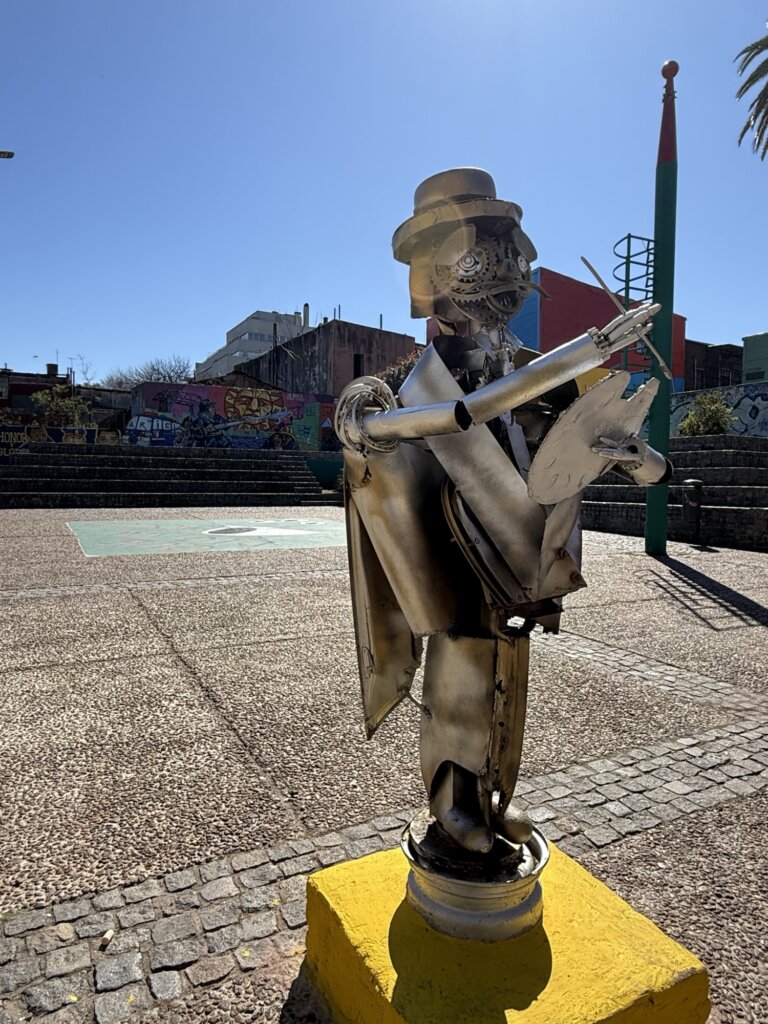
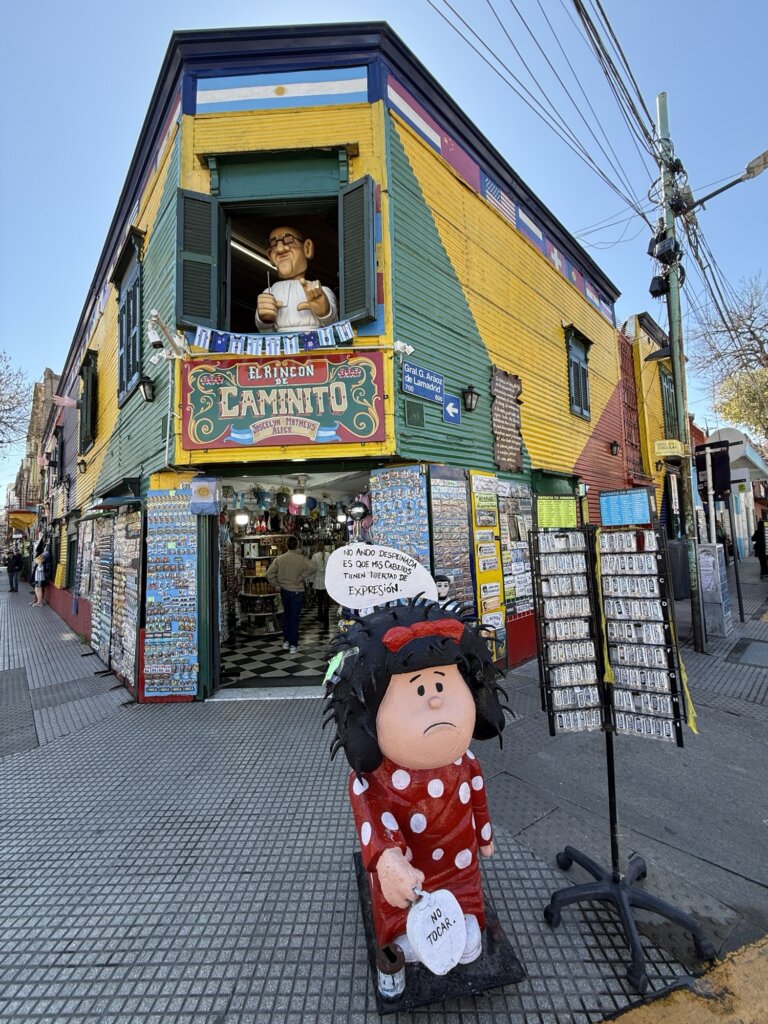
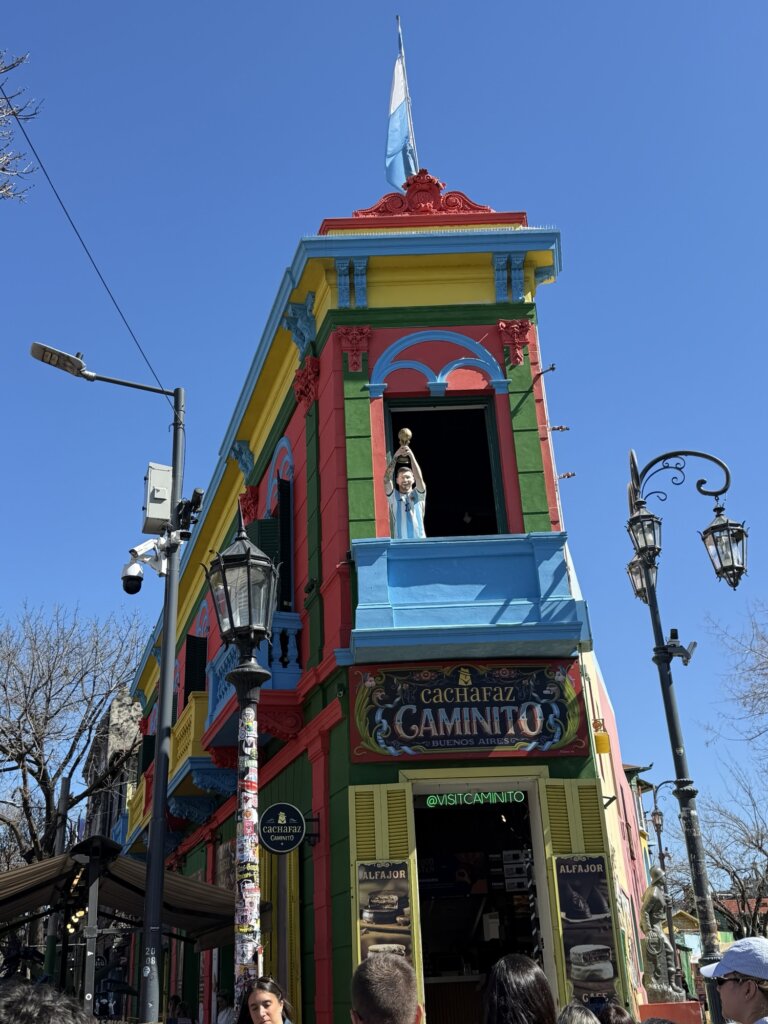
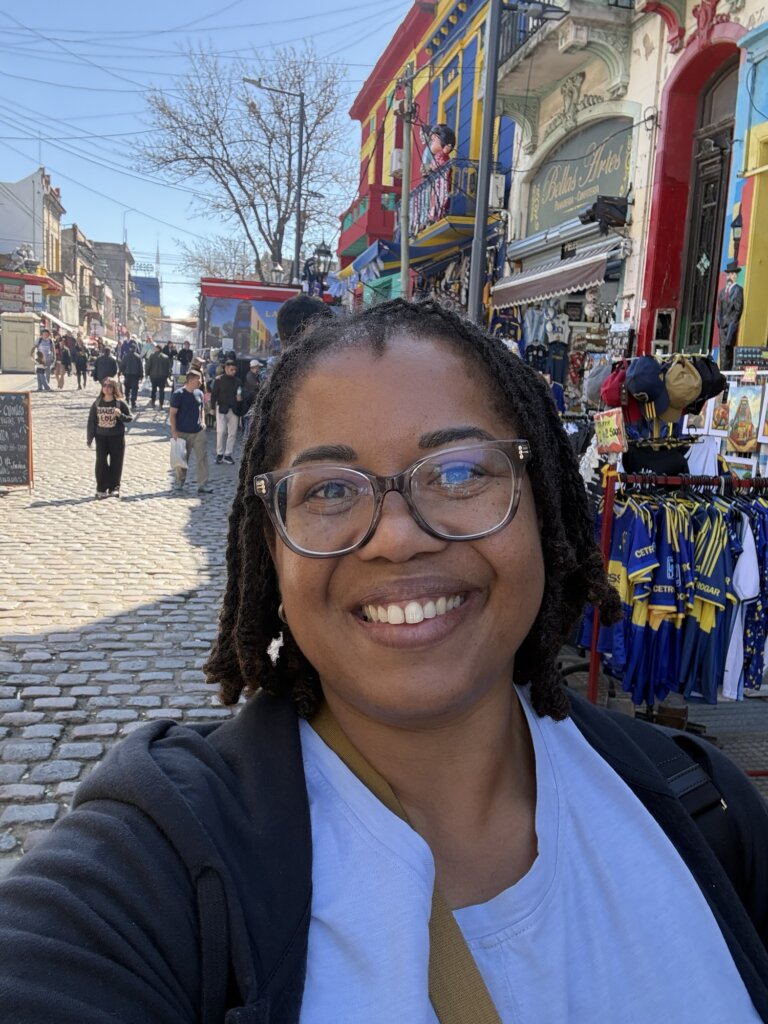
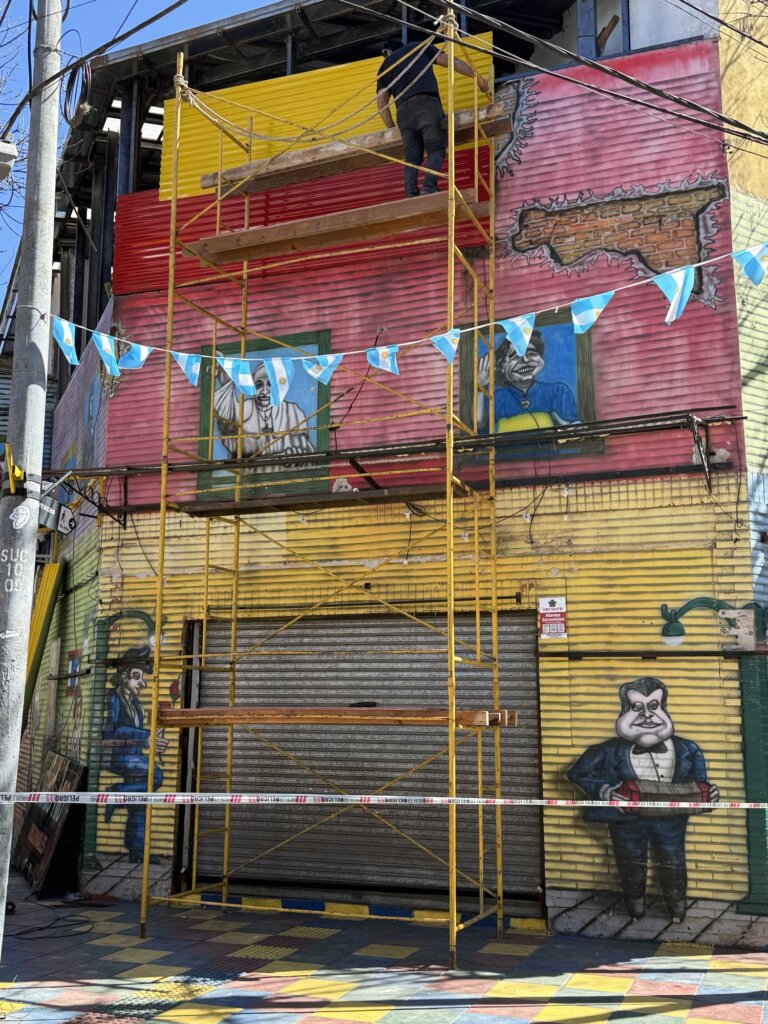
My flight wasn’t until the following afternoon, so in the morning we went to La Boca. I didn’t have time for anything else, but we did go for ice cream at Zero. R avoids sugar and is gluten intolerant, so it was a really good find for us.
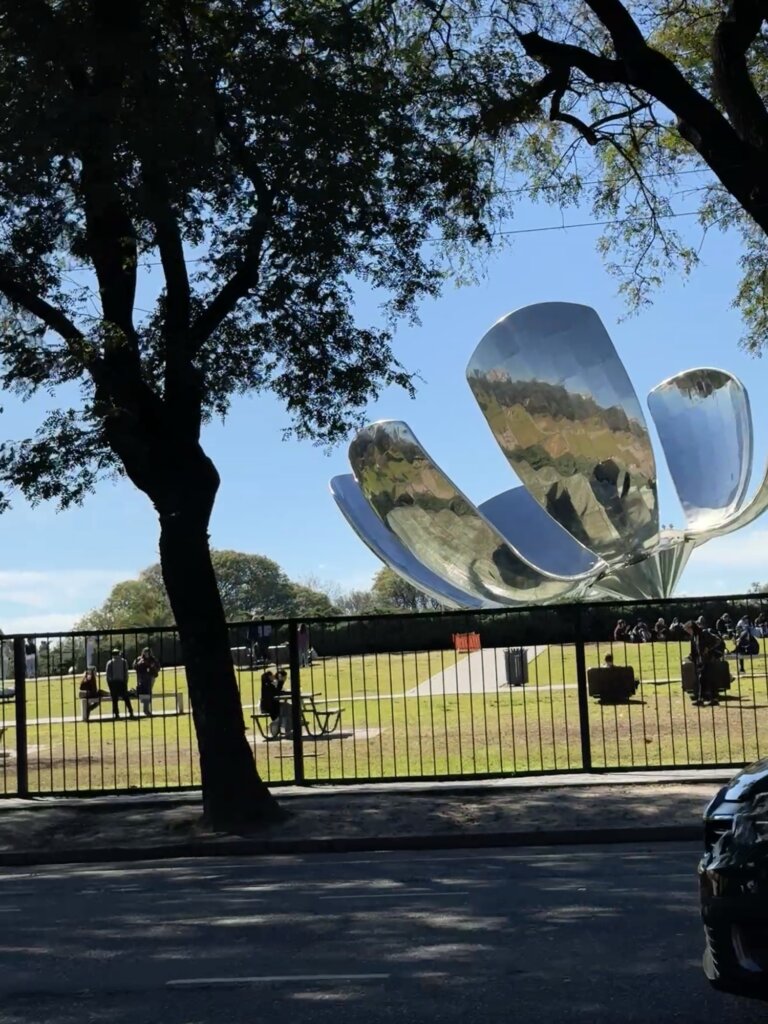
She had one more day in Buenos Aires, but for me that was the end. I was delighted when the taxi went past Floralis Genérica, the flower sculpture I hadn’t managed to visit. I took a photo from the car. R sent me another one later because she got to see it up close.
Be First to Comment